



Authored by Dr. Sarika Arora, MD
It’s really frustrating when you have symptoms of low thyroid but your thyroid test results are still in the “normal” range.
You want relief from your suffering but your doctor says there’s nothing wrong with your thyroid.
This happens all too often. The truth is this: in many cases a contributing factor to thyroid dysfunction is imbalanced sex hormones.
If this is you, the good news is that we can get you back on track quickly once we’ve confirmed my suspicions. Let’s start by looking at how the thyroid fits into your endocrine system.
Hormonal imbalance can trigger thyroid symptoms at any age
Sex hormones — especially progesterone — can have a surprisingly powerful influence on the activity and effectiveness of thyroid hormones. Imbalanced reproductive hormones lead to hypothyroid symptoms — weight gain, low energy, hair loss — even when your lab tests are in the normal range.
When your hormones shift, progesterone levels often drop too low. The healthy hormonal balance between estrogen, testosterone and progesterone often changes after childbirth, during perimenopause/menopause and while using oral contraceptives. The end result is higher estrogen levels that are out of proportion to the other sex hormones.
When estrogen is high and progesterone is low (a state known as “estrogen dominance”), your liver increases production of a protein called thyroid binding globulin (TBG). TBG is released into the blood and binds free thyroid hormone(T3 and T4) before it can reach your cells to do its work.
So even though your thyroid panel may appear normal, your thyroid hormones are being held captive because they are bound to TBG. This makes your thyroid hormone unavailable to be used by your body and eventually causes symptoms of hypothyroidism.
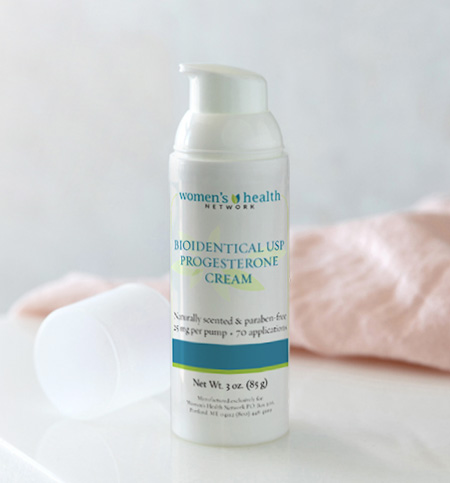
Bioidentical USP Progesterone Cream
Hormone balancing without toxins, parabens or synthetic hormones
Other tips to rebalance hormones and resolve low thyroid symptoms
If you’re struggling with hypothyroid symptoms, while your thyroid tests remain in the normal range, investigate the possibility of a sex hormone imbalance before taking other measures.
You can begin to rebalance your hormones by following these steps:
- Upgrade your nutrition. Good hormonal balance begins with a fresh, whole foods diet. Include plenty of fresh vegetables, healthy fats (avocado, salmon, olive oil) and lean proteins.
- Start strength training. Building muscle burns body fat. Since fat produces estrogen, building muscle helps reduce estrogen dominance. Make movement a priority and incorporate full body strength training 2-3 days per week.
- Create stress-relieving rituals. High levels of daily stress disrupt both your sex hormone balance and your thyroid hormones. Take time to notice the things that cause you stress. Surprisingly simple steps can lighten your stress load and allow your body to rebalance itself. I recommend self care Sundays that include yoga, meditation and reading a great book.
For more information about the natural approach to resolving hypothyroidism, see our article Five steps for natural thyroid symptom relief.
 | How does hormonal imbalance in perimenopause and menopause affect your thyroid? Find out with our article on Hypothyroidism in menopause. |
Progesterone & Thyroid: A Hormonal Connection Essential for Optimal Women’s Health
https://www.mayomedicallaboratories.com/test-catalog/Clinical+and+Interpretive/9263
Sathi P, et al. “Progesterone therapy increases free thyroxine levels—data from a randomized placebo-controlled 12-week hot flush trial. Clin Endocrinol (Oxf),2013 Aug 79(2):282-7. Abstract URL: https://www.ncbi.nlm.nih.gov/pubmed/23252963