



Authored by Dr. Amber Hayden, DO
Many women notice subtle but frustrating changes as they enter midlife: joints feel stiffer, skin looks less vibrant, energy dips and recovery from stress takes longer. While these shifts are often attributed to “getting older,” a lesser-known biological process may be playing a central role.
Researchers call it inflammaging — a state of chronic, low-grade inflammation that accelerates aging throughout the body and contributes to symptoms you can see and feel.
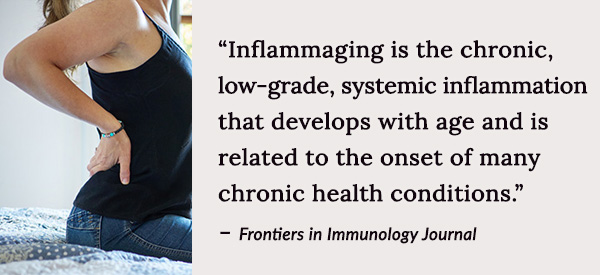
Understanding this hidden driver of aging can help you take meaningful steps to protect your long-term health and vitality.
Why inflammation increases as you age — especially during perimenopause
Estrogen plays an important anti-inflammatory role in the body. As hormone levels begin to fluctuate as you enter perimenopause, this shift triggers changes in other systems, including immune regulation and inflammatory activity.
Research shows that estrogen changes are associated with increased production of inflammatory signaling molecules such as interleukin-6 (IL-6) and tumor necrosis factor-alpha (TNF-α), which are linked to oxidative stress and age-related disease processes.
Lifestyle and hormonal imbalance during perimenopause can further amplify inflammation, including:
- shifts in fat distribution and metabolism
- increased oxidative stress
- sleep disruption
- elevated cortisol from chronic stress
- changes in gut microbiome balance
Together, these factors can create a persistent inflammatory state.
How inflammaging affects the body
Chronic inflammation often operates silently. Over time, however, it contributes to systemic changes that influence how women feel and age.
Research links persistent low-grade inflammation with:
Joint discomfort and mobility changes
Inflammatory signaling can contribute to stiffness, tenderness and slower recovery after activity.
Skin aging
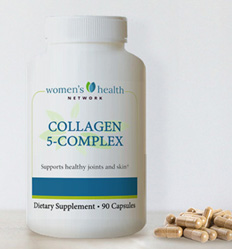
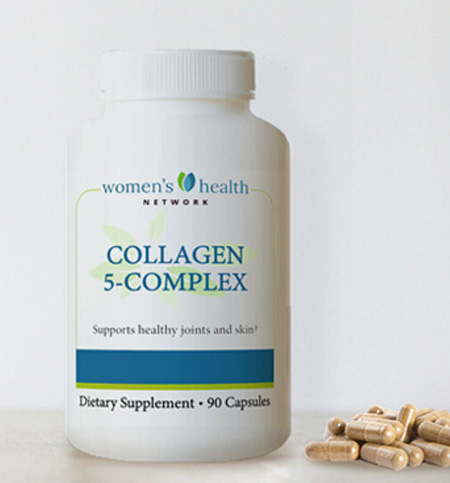
Inflammation accelerates collagen breakdown and oxidative damage, contributing to wrinkles, dryness and loss of elasticity.
Metabolic dysfunction
Inflammatory processes interfere with insulin sensitivity and energy regulation, making weight management more challenging.
Cognitive decline
Inflammatory activity can influence brain function, contributing to brain fog, memory changes and reduced mental clarity.
Cardiovascular risk
Inflammation contributes to arterial stiffness and plaque formation, increasing heart disease risk after menopause.
Stress and cortisol: fuel for the inflammatory fire
Chronic stress can intensify inflamm-aging. Elevated cortisol levels — especially when sustained — promote inflammatory activity and disrupt immune balance.
This can create a cycle in which stress worsens inflammation while inflammation contributes to fatigue, sleep disruption and mood changes.
Supporting the body’s stress-response system is a key strategy for reducing inflammatory burden.
What you can do to slow inflamm-aging
The good news: inflammaging is not inevitable. Daily habits and targeted support can significantly influence inflammatory balance.
Prioritize anti-inflammatory nutrition
Emphasize colorful vegetables, omega-3 fats, clean protein and antioxidant-rich foods while minimizing ultra-processed foods and excess sugar.
Support restorative sleep
Deep sleep helps regulate immune function and reduce inflammatory signaling.
Balance stress and cortisol levels
Adaptogenic herbs, relaxation practices and nervous system support help regulate the stress response.
Support gut health
A balanced microbiome helps regulate immune activity and inflammatory signaling. Consider taking a probiotic to support your gut’s microflora.
Stay physically active
Regular movement reduces inflammatory markers and supports metabolic health.
Consider targeted anti-inflammatory support
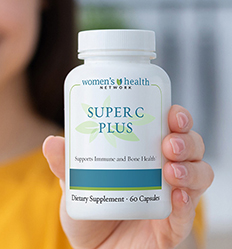
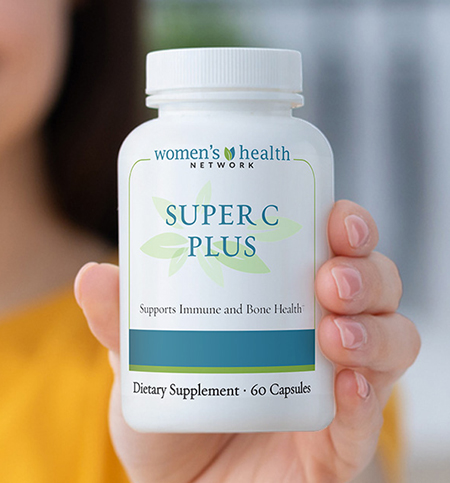
Nutrients and botanicals that support inflammatory balance, hormonal transitions and stress resilience can help protect long-term health.
A new perspective on aging in midlife
Menopause is not simply a hormonal transition — it is a time when the body’s inflammatory balance shifts. As estrogen declines, inflammatory activity can increase and contribute to age-related changes throughout the body.
By understanding inflamm-aging and addressing its root drivers, women can support healthier aging from the inside out. With the right support, midlife can become a time of renewed strength, resilience and vitality — not accelerated decline.
Shop our solutions
Doctor-formulated. Science-backed. Proven in practice. Made in the USA. Batch-tested. FDA-inspected labs.