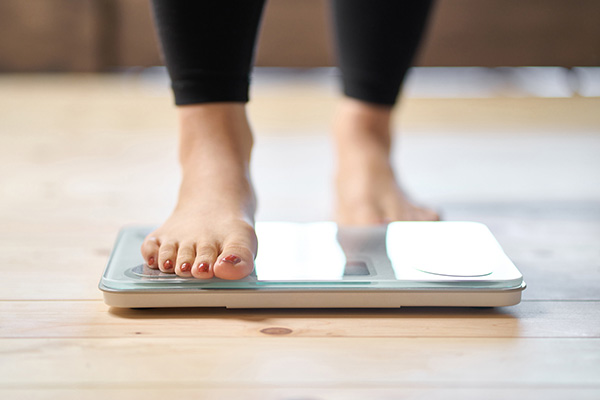



Weight loss for women over 40 is not a simple formula, because our bodies’ internal functions are so deeply intertwined and influenced by each other. When one set of controls changes — like hormone status — it alters other functions connected to that system down the line. Even small shifts can have big after effects.
What’s the real reason you’re gaining weight now?
Any weight issues during your 20s and 30s are different than those you’re dealing with today. Tracking down the true source of your weight gain now can help you shed excess weight to feel happier and healthier.
Specific changes to your body — and lifestyle patterns — after 40 will act as a double whammy when it comes to weight. You can become more predisposed to gain weight and also won’t be able to easily let go of excess weight.
What are the real reasons you can’t lose weight?
1. Imbalanced and irregular meals
Even tiny changes in how and when you eat can add extra pounds or shut down the weight loss process. Did you start skipping breakfast or other meals? Did you try to lose weight by cutting out all sugar but now you’re bingeing on sweets ? Are you eating too many dairy foods to get extra calcium for bone health? If you’ve eliminated meals or changed your diet for what you thought were health reasons, your weight can go up.
2. Endocrine function
At age 40, most women may not want to think about menopause, but your endocrine system is always on the move. As a result, your interconnected hormone systems are continually rebalancing in response to physical and emotional events in your life. After age 40, women see lots of up-and-down action in hormones related to:
- reproduction (estrogen, progesterone, testosterone)
- adrenal function (cortisol, adrenaline)
- thyroid status (TSH, T3, T4)
Since these three hormonal networks intersect, the way you gain and lose weight can be affected, often in extreme ways. Stay aware of unusual symptoms or sensations as these are often signs of a hormonal imbalance. Keep an eye on your thyroid function — it controls your metabolism and the way you burn calories.
3. How your body stores fat
First, as women near midlife, their ratio of fat to body weight increases rapidly. Second, many women see that new fat mostly around their bellies. This is “visceral fat” and it can change the entire shape of your midsection. Visceral fat cells are like miniature endocrine organs that are especially active, setting off inflammation and increasing insulin resistance. Third, visceral fat gets a huge boost from lifestyle issues like depression and stress, poor sleep, smoking (proven to increase belly fat ), irritability, and drinking fructose-sweetened beverages (leads to more visceral fat and decreases insulin sensitivity).
For women over 40 who want to lose weight: your next steps
Before you go back to trying the same old diet or just give up completely, consider these action steps:
Focus on getting good sleep
Science has repeatedly shown us the links between lack of sleep and being overweight. Skimpy sleep screws up levels of two different hormones — the one that rules your appetite (ghrelin) and the one that triggers the “I’m full” sensation (leptin). Insomnia may even influence you to make worse food choices.
Change one sleep habit to lengthen the time you sleep, and experiment until you find it.
Some options:
- Create a firm sleep schedule and stick to it. Get in bed every night at 10 p.m. and get up every morning at 6 a.m. (adjust as necessary).
- Move your last meal or snack back an hour so you don’t go to bed stuffed, but make sure you eat late enough so you’re not hungry either.
- Get a fan or white noise machine, especially if you wake up easily.
Think about your thyroid function
Even tiny changes in thyroid function can meddle with the way your body processes food for fuel because thyroid hormones affect metabolism and how your body deals with weight. When thyroid hormone levels drop too low, you can start gaining weight. You may also have other symptoms that don’t seem connected — low energy, feeling cold a lot, skin issues or hair loss.
Actively support your thyroid with food, vitamins and minerals. This small change can make a huge difference to your weight in a fairly short time. It’s smart to have your thyroid checked though many conventional tests come back “normal” even when you may have low thyroid. But you can still add daily thyroid support safely to see if it helps. If you suspect you have a low-thyroid issue, you can get a handle on your weight issues by making small diet changes and supplementing with the right herbs and minerals.
Special help for “meno belly”
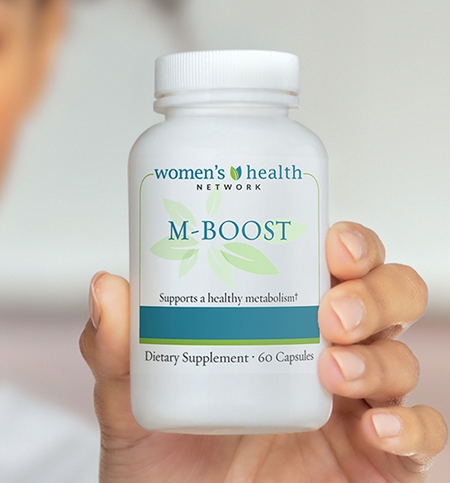
Hormonal imbalances that develop during perimenopause and menopause can make it harder to lose and easier to gain. The good news? Growing research shows that specific herbs and plant compounds effectively support the body’s ability to restore hormonal balance naturally – without the risks of synthetic hormone therapy.
If your belly fat started showing up around the same time as your hot flashes, that’s a strong sign it’s linked to a hormonal imbalance. To harness the power of herbs, our exclusive Herbal Equilibrium formula combines black cohosh, red clover, kudzu and other clinically studied herbs to gently rebalance hormones, ease frustrating symptoms like hot flashes and irritability, and support a healthier metabolism to help your body release stubborn belly fat.
References and further reading
Nitz JC, Choy NL. Changes in activity level in women aged 40-80 years. Climacteric. 2007 Oct;10(5):408-15. https://www.ncbi.nlm.nih.gov/pubmed/17852144 Accessed 11.16.16
https://www.prevention.com/health/post-menopausal-eating-mistakes
https://www.health.harvard.edu/staying-healthy/taking-aim-at-belly-fat
Ludescher B, Najib A, Baar S, et al. Increase of visceral fat and adrenal gland volume in women with depression: preliminary results of a morphometric MRI study. Int J Psychiatry Med. 2008;38(3):229-40. https://www.ncbi.nlm.nih.gov/pubmed/19069569 Accessed 11.17.16.
Stanhope K, et al. Consuming fructose-sweetened, not glucose-sweetened, beverages increases visceral adiposity and lipids and decreases insulin sensitivity in overweight/obese humans. J Clin Invest 2009 May;(119)(5):1322-1334. https://www.jci.org/articles/view/37385 Accessed 11.17.16.
https://www.seattletimes.com/seattle-news/health/pets-can-reduce-stress-cholesterol-obesity
https://www.sciencealert.com/having-a-dog-can-reduce-anxiety-and-stress-in-children-study-finds
https://www.mayoclinic.org/healthy-lifestyle/adult-health/in-depth/sleep/art-20048379