



Authored by Dr. Mary James, ND
According to the National Institutes of Health, up to 80% of women will suffer from uterine fibroids by the age of 50. Symptoms of fibroids can be debilitating and disruptive to women’s daily lives, professional careers, fertility and mental health. Conventional treatments such as medication and surgery can have an important place in care, but emerging research suggests that women may also benefit from addressing the interconnected biological factors associated with fibroid growth.
Are you experiencing any of these warning signs of uterine fibroids?
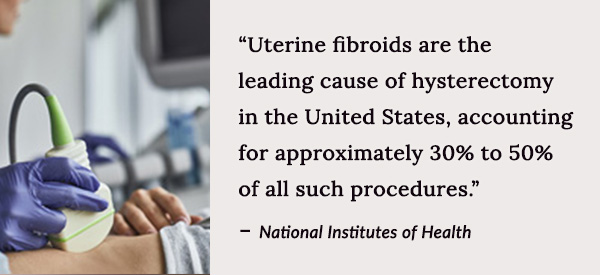
Symptoms of uterine fibroids
- Heavy periods
- Menstrual periods lasting longer than normal
- Feeling “full” all the time, regardless of food consumption
- Pressure or pain in the pelvic area
- Bloating, distention of the abdomen resembling pregnancy
- Lower back or leg pain
- Bowel issues including constipation or diarrhea
- Frequent urge to urinate
- Discomfort or pain during intercourse
- Urinary incontinence
- Infertility
- Miscarriage
- Complications during childbirth
The uterine fibroid epidemic
Fibroids were once viewed as a condition of almost unknown origin. Today, research paints a more complete picture. Fibroid development and growth appear to be influenced by multiple interconnected factors, including:
1. Hormonal imbalance, especially estrogen dominance:
Uterine fibroids are known as “hormonally responsive” tumors, meaning their growth and spread is directly influenced by the reproductive hormones progesterone and estrogen. In fact, fibroid tissue contains more progesterone and estrogen receptors than normal uterine tissue. When these hormones increase during the premenstrual phase in preparation for fertilization, uterine fibroids increase in size and mass. The same thing happens during perimenopause and menopause, when fluctuating hormone levels create hormonal imbalance, especially estrogen dominance, which has also been linked to fibroid growth and spread.
2. Environmental exposure, especially xenoestrogens:
Xenoestrogens are artificial toxins that we’re exposed to throughout our daily lives — from conventional dairy products, makeup, pesticides and plastics — that have a molecular structure that mimics the effects of estrogen in the body. Increased exposure to xenoestrogens has been linked to estrogen dominance, reproductive cancers, infertility, obesity, miscarriage and uterine fibroids. Research shows that American women have estrogen levels roughly double those of women in undeveloped countries, and scientists are quick to point out that this is likely due to our overwhelming exposure to xenoestrogens in our environments. We are simply swimming in a sea of estrogen — and our bodies can’t tell the difference between the natural and artificial versions of this hugely influential hormone.
3. Vitamin D deficiency:
Science shows that Vitamin D can inhibit the growth of fibroid tumors. One study analyzed uterine fibroid growth in two groups of women over a year-long period: the first supplemented with Vitamin D, while the second group did not. One year later, the women who did not supplement with Vitamin D experienced a 40% increase in fibroid volume, while the group that maintained adequate Vitamin D levels through supplementation experienced no increase in fibroid growth or spread.
4. Genetics:
According to the White Dress Project, a woman’s risk of developing uterine fibroids triples if her mother also suffered from them. There are clearly patterns of fibroids that run in families; whether this is caused by learned lifestyle habits, shared environmental exposure or genetics is unclear.
5. Traumatic experiences:
A new study by the Boston University School of Medicine found that women who were physically or sexually abused or traumatized as girls were up to 36% more likely to develop uterine fibroids as adults. This evidence further supports the connection between physical, mental and emotional health; our emotional experiences can have a biological impact, and any uterine fibroid treatment plan must address this aspect of the diagnosis in order for the patient to fully heal.
6. Stress and inflammation:
It’s well-documented that stress negatively influences the body’s ability to regulate and balance hormones, especially progesterone and estrogen. Both acute and chronic stress can cause hormonal imbalance and inflammation, which often results in a state of estrogen dominance. Since uterine fibroids are “hormonally responsive” tumors, a stress-induced spike in estrogen can cause fibroid cells to multiply and spread within the uterine lining.
The new bottom line women need to know: Fibroids develop when uterine muscle cells receive signals that encourage excessive growth and tissue formation. Hormones, inflammation, oxidative stress and Vitamin D status may all influence these cellular pathways, helping create conditions in which fibroids can develop and grow.
The harms of hysterectomy
These days, it seems like everyone knows at least one woman who has undergone a hysterectomy, also known as surgical removal of our reproductive organs. In fact, more than one-third of all women in the US have had a hysterectomy by the age of 60 years old. Hysterectomies are one of the most common surgeries performed on women worldwide, second only to cesarean sections. Remarkably, 1 out of every 4 women enters menopause due to hysterectomy, which is why hysterectomies have become known as “surgical menopause.”
Only 10% of hysterectomies performed in the US are deemed “medically necessary” to treat cancer of the reproductive organs. The remaining 90% of hysterectomies can be attributed to non-life threatening reasons: heavy menstrual bleeding, uterine fibroids, endometriosis and pelvic pain.
But more and more women, and a few enlightened doctors, are speaking out against the rising rate of what they believe to be “unnecessary” hysterectomies, which has become a $17 billion a year industry. Why? For a woman without a life-threatening diagnosis, there may be better alternatives that can preserve her uterine health.
Here’s what we know about the risks and adverse outcomes associated with conventional fibroid treatments, which include hysterectomies, uterine fibroid embolization and endometrial ablation. In addition to surgical complications and death, hysterectomies and other unnecessary surgical removal of reproductive organs have been shown to cause the following outcomes:
- Increased risk of heart disease
- Osteoporosis, arthritis and osteopenia
- Weight gain
- Increased risk of renal, thyroid and brain cancers
- Increased risk of congestive heart failure and coronary artery disease
- Loss of libido, sensation and ability to orgasm; pain during intercourse
- Sudden-onset menopause and hormonal imbalance symptoms, including mood swings, hair loss, anxiety, depression, skin changes, brain fog and weight gain
- Incontinence and UTIs
- Digestive disorders, chronic constipation
- Anxiety, depression, suicidal thoughts
- Tinnitus and hearing loss
- Vertigo and dizziness
- Bladder and bowel dysfunction due to displacement
- Brain fog and chronic fatigue
- Memory and executive function issues
The good news? Emerging research shows that there are viable options for women who wish to address uterine fibroids without removing their uterus.
Non-surgical options for treating uterine fibroids
Reduce exposure to xenoestrogens
A main focus for bringing balance back to your hormones is to reduce sources of xenoestrogen exposure in your environment: Remove and replace plastic food storage containers, cosmetics, conventional dairy and meat products, and reduce exposure to herbicides and insecticides. Learn more about endocrine-disrupting chemicals.
Estrogen detox
Estrogen’s role in the growth and spread of fibroids is well-established. After removing or reducing sources of xenoestrogen exposure in your environment, consider supporting estrogen metabolism and detoxification in your system through targeted, doctor-developed phytotherapy designed to reduce estrogen dominance. Nutrients such as DIM and other natural compounds help to support healthy estrogen metabolites and the body’s natural elimination pathways.
Eat to balance hormones
Certain foods may have beneficial effects on reducing fibroid symptoms and balancing overall hormone health including broccoli, cabbage, green tea, apples, pears, fiber, dark leafy greens and healthy grains. Avoid red meat, sugar, refined flours and processed foods.
Supplementation
Certain nutrients help to support the interconnected biological processes involved in uterine tissue health.
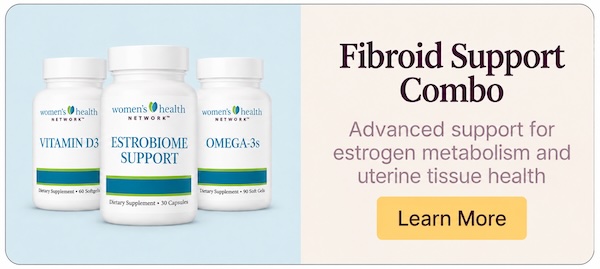
DIM, calcium D-glucarate and compounds found in broccoli sprouts support healthy estrogen metabolism and elimination. Curcumin and green tea extract provide antioxidant support and help maintain a healthy inflammatory response. [These nutrients are found in our Estrobiome Support formula.]
Vitamin D helps regulate normal cellular growth and estrogen receptor activity. Low Vitamin D status is also more common among women with fibroids, making it an important area to discuss with a healthcare provider.
Omega-3 fatty acids provide additional support by helping maintain a balanced inflammatory response and protecting cells from oxidative stress.
Reduce stress
The link between high cortisol, the stress hormone, and fibroid growth cannot be overstated. Prioritize your peace, especially as part of a fibroid healing program.
IUDs
A 2009 Finnish study showed that women who reported heavy menstrual bleeding as a result of uterine fibroids showed significant symptom reduction and improved quality of life following the insertion of a levonorgestrel-releasing intrauterine system, or IUD.
Medication
There are several prescription drugs, including GnRH agonists, that may be beneficial to some patients.
Watchful waiting
This is the option that pharmaceutical and insurance companies hate the most. Many doctors believe that the risks of removing benign fibroid tumors do not outweigh the benefits if the patient’s symptoms are not interfering with their quality of life, especially if the patient is nearing the age of naturally occurring menopause. Because fibroids are estrogen-dependent, most women find relief from their fibroid symptoms and reduction in fibroid volume as estrogen plummets in the menopause and post-menopause phase.
Surgical solutions
- Myomectomy: A conservative surgery that removes the fibroids while leaving the uterus intact. Requires a skilled and experienced surgeon.
- Hysteroscopic resection of the fibroid, also known as hysteroscopic “shelling out” of a submucosal fibroid: Not to be confused with hysteroscopic resection of the endometrium, this is an outpatient procedure that removes the fibroid without damaging the uterine lining.
Your path forward
If you or a loved one is suffering from symptoms of uterine fibroids, it’s important to know that a hysterectomy may not be the only option. Understanding the different biological factors involved can help you have a more informed conversation with your healthcare provider and explore the approach that best fits your individual needs.
“When I went back for another ultrasound, amazingly my fibroid was gone! The person who did the ultrasound said there was no evidence that I’d ever had a fibroid. And I completely attribute this to your protocol” — Bea, Trustpilot verified customer
References and further reading
References
https://www.mayoclinic.org/diseases-conditions/uterine-fibroids/symptoms-causes/syc-20354288Ciavattini, A.; Delli Carpini, G.; Serri, M.; Vignini, A.; Sabbatinelli, J.; Tozzi, A.; Aggiusti, A.; Clemente, N. Hypovitaminosis D and “small burden” uterine fibroids: Opportunity for a vitamin d supplementation. Medicine 2016, 95, e5698.
https://www.thewhitedressproject.org/overview-1
https://www.bu.edu/articles/2011/from-childhood-trauma-adult-tumors/
https://nwhn.org/hysterectomy/
https://content.time.com/time/health/article/0,8599,1644050,00.html
https://hersfoundation.org/adverse-effects-data/
https://www.womenfitness.org/hidden-harms-of-hysterectomy/
https://gynecolsurg.springeropen.com/articles/10.1007/s10397-009-0479-1